I work with space, sound, text, and visual arts, and create interdisciplinary learning environments.
[read more]
About me
I studied architecture while actively engaged in music, writing, and painting. After contributing to an architectural magazine and working in architecture studios, I moved to Barcelona in 2007, where I deepened my musical studies in jazz and modern music. Since 2012, my work has focused primarily on teaching, alongside ongoing creative practice in music, writing, and visual practice.
I approach spatial and sound design, writing, and education as interconnected forms of creative exploration, emphasizing the balance between emotion, cognition, and experience.
workING with space
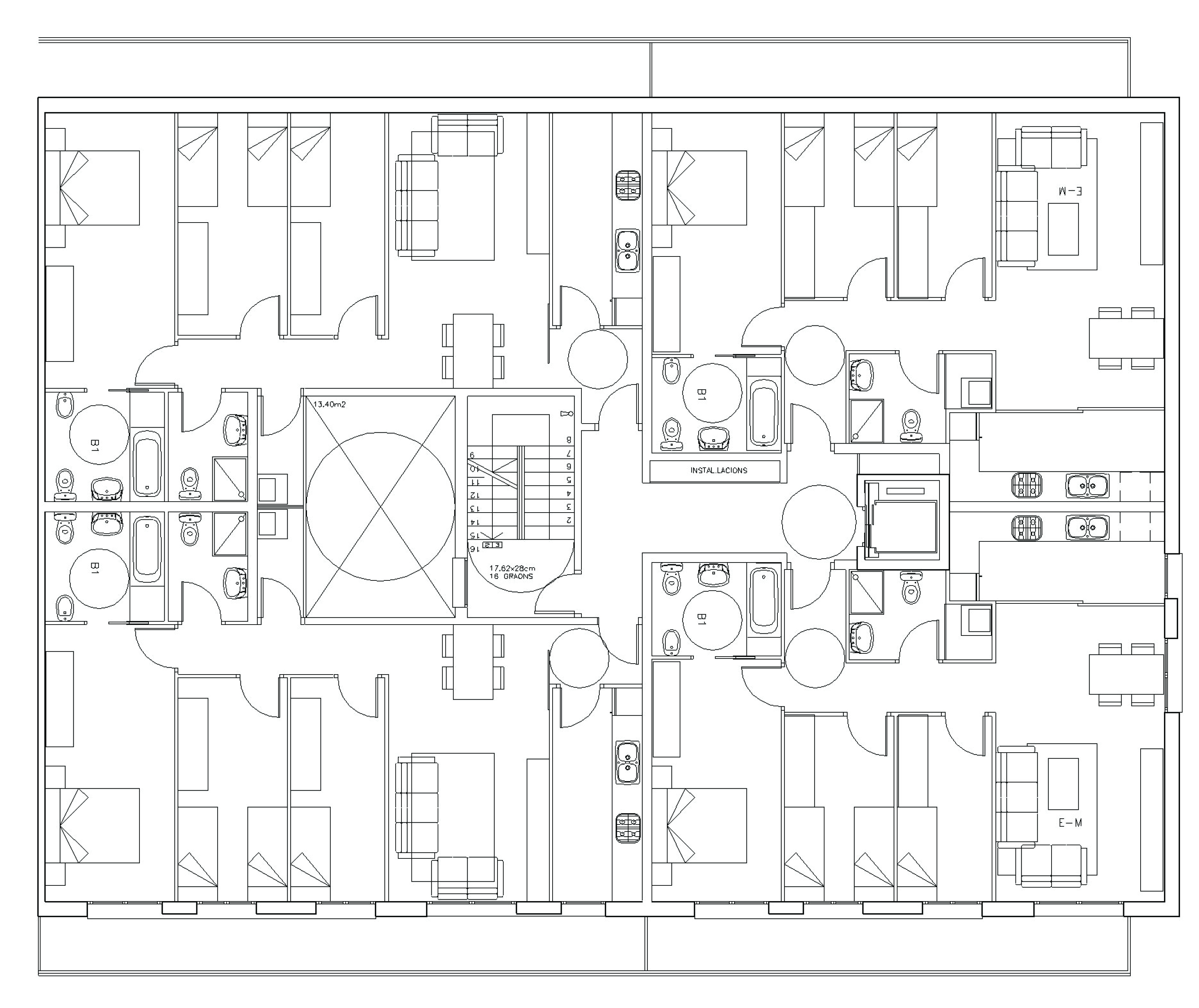
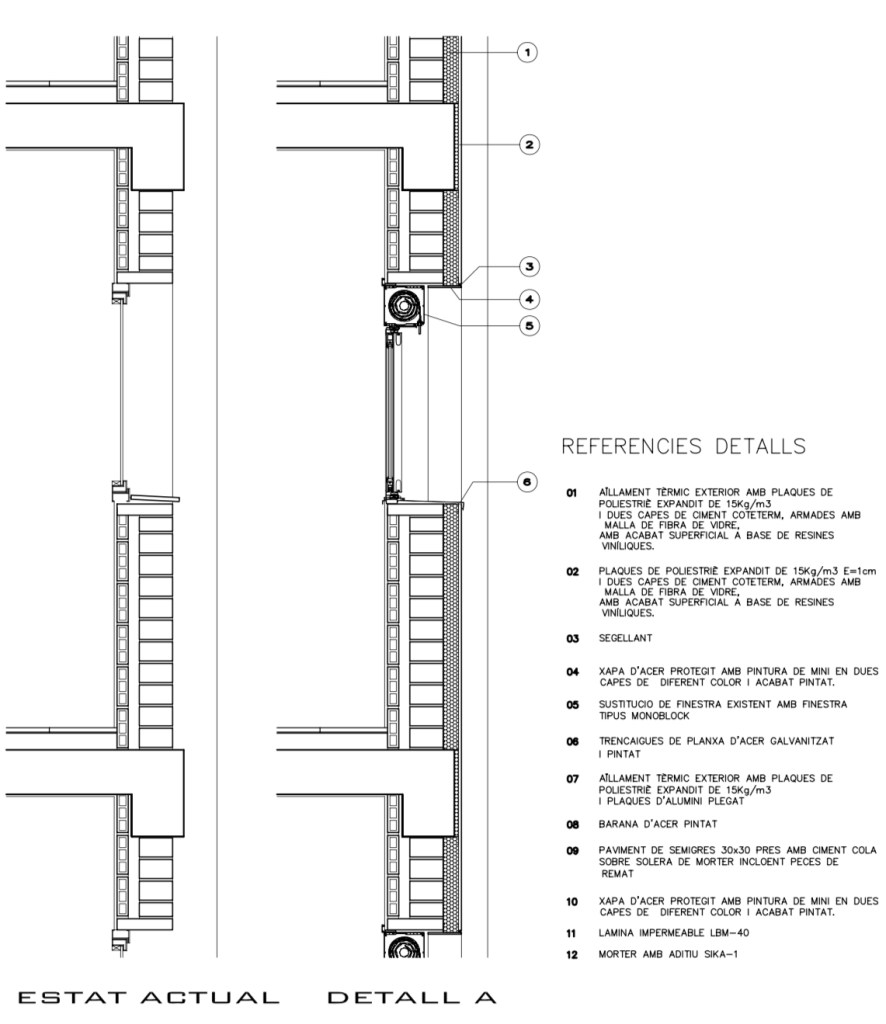
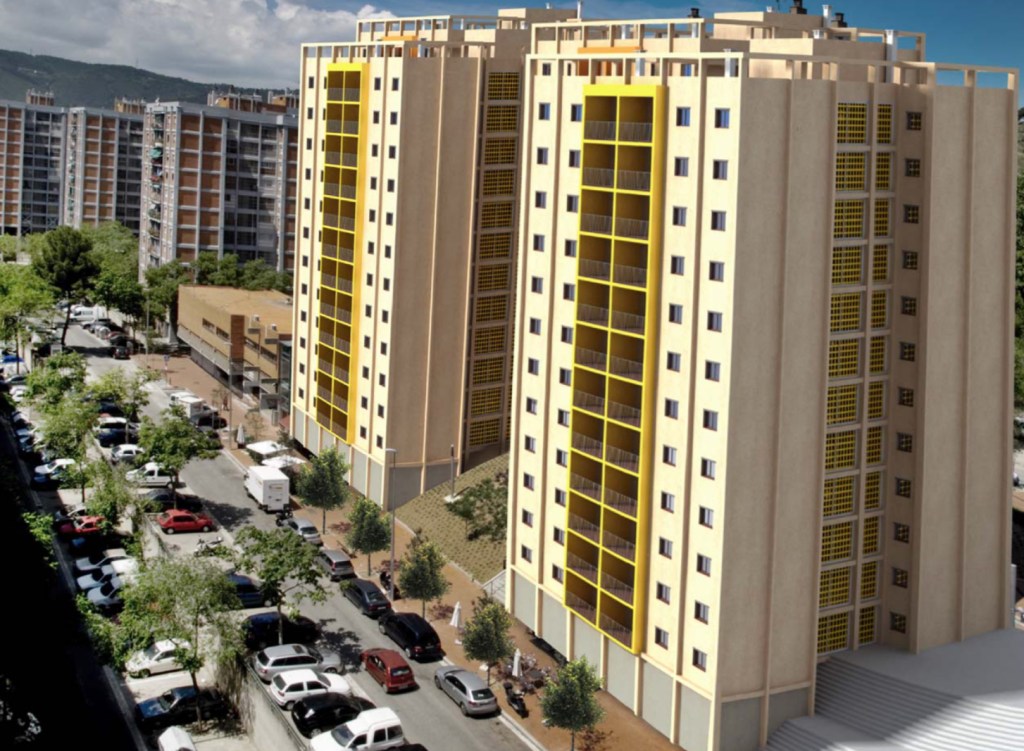
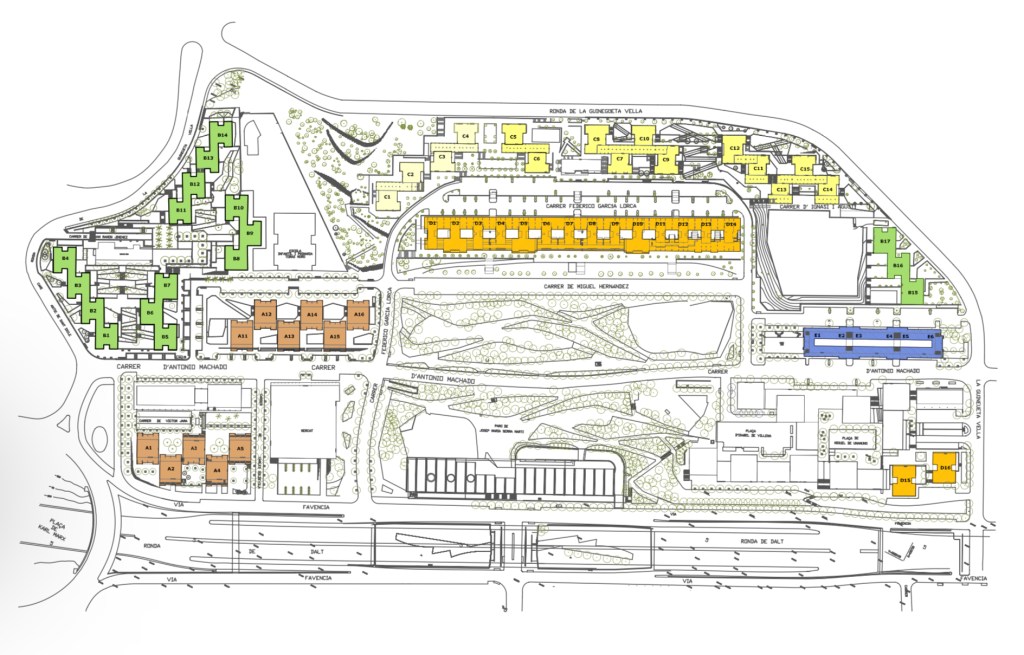
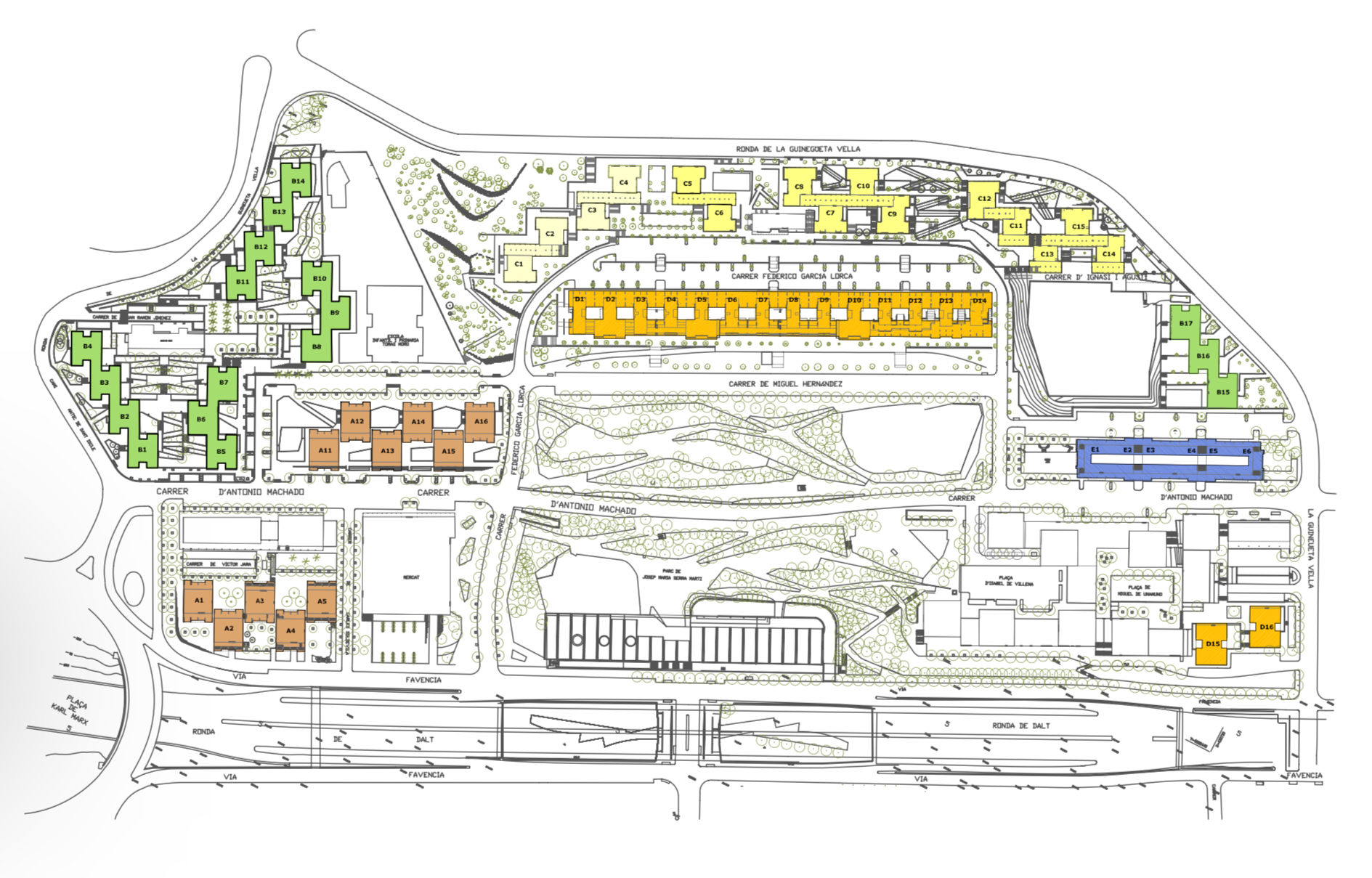
collective housing … dos de segui…y los detalles debarracas…tal vez una fachada
Comercial arch … local pol hotel y oyshyo
vivienda individual…casa en bs as…
interior design
urbanism
architectural journalism
escuelas….eoi y la otra del render…incluir detalles
oficinas…lay outs, instalaciones, muebles etc…
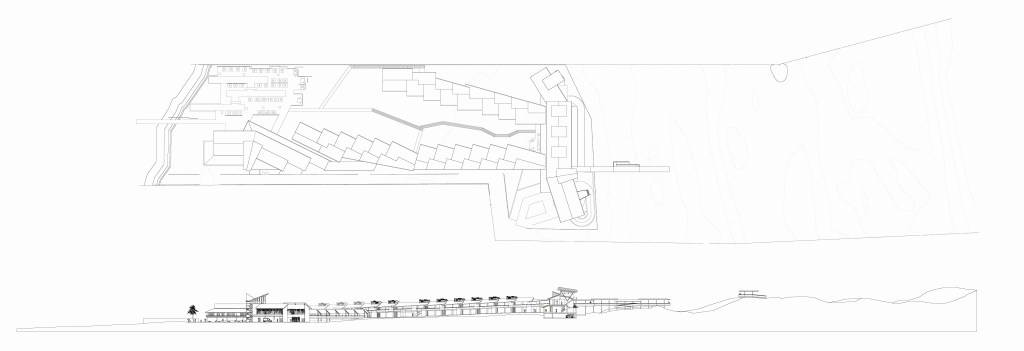
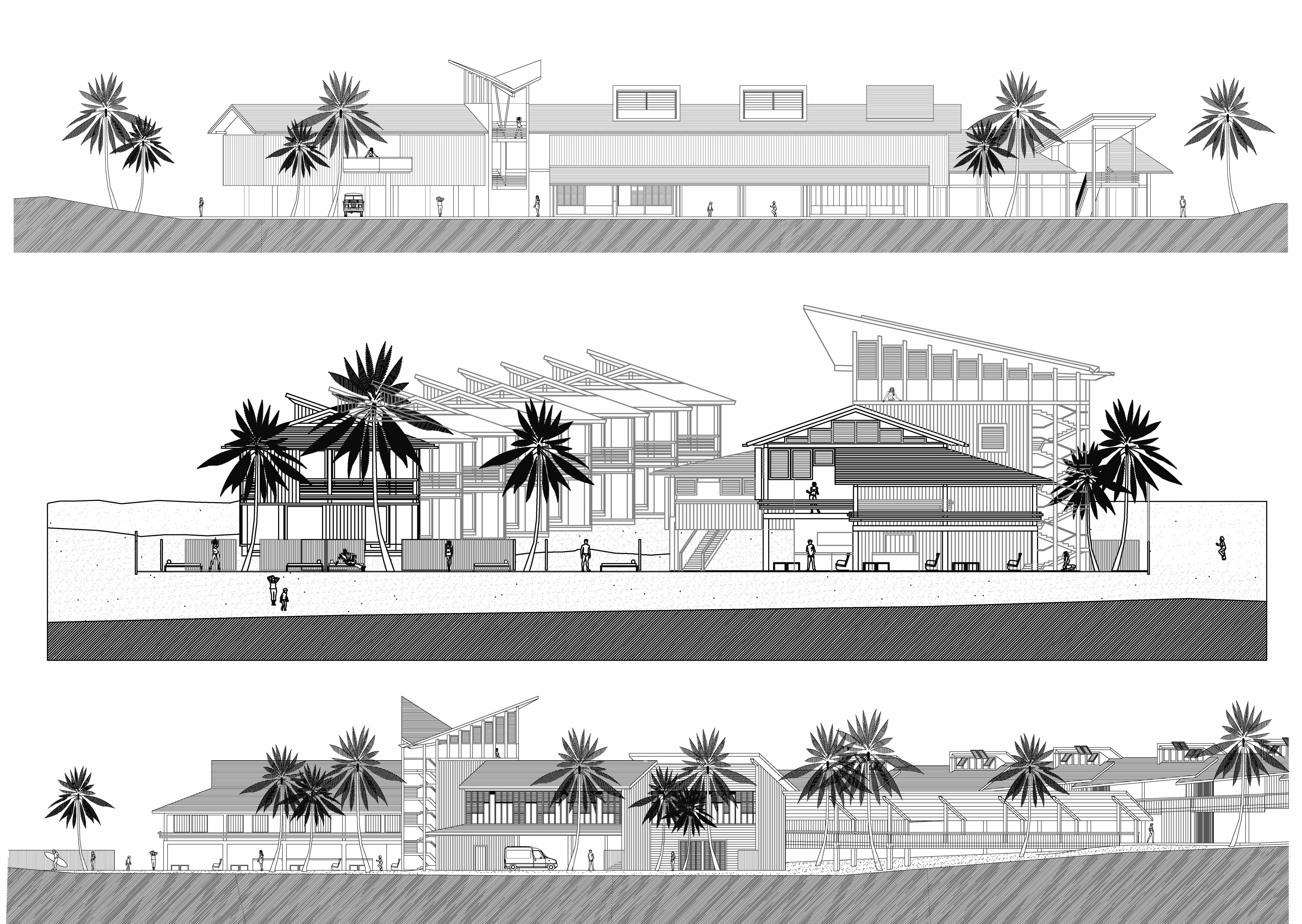
Hotel en Guajiru check. Dibujo de las vistas y cortes para el concurso
SIMPLIFICAR EL NOMBRE DE ESTA PAGINA
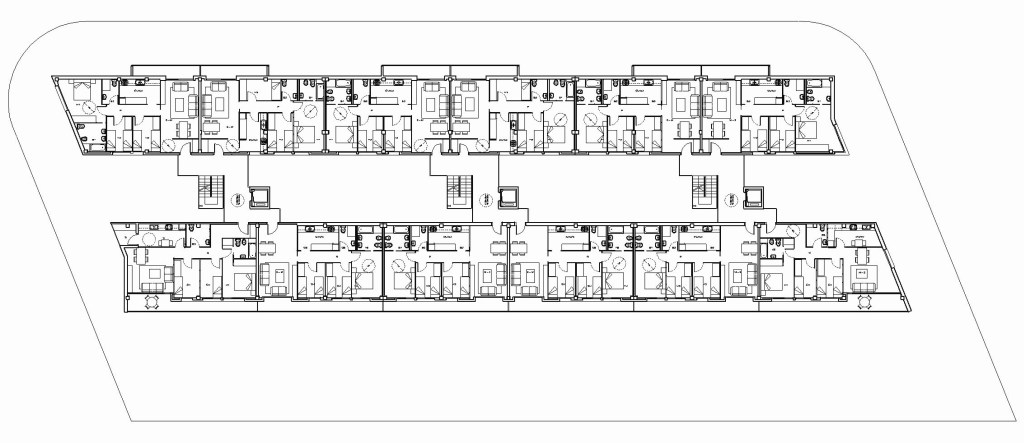
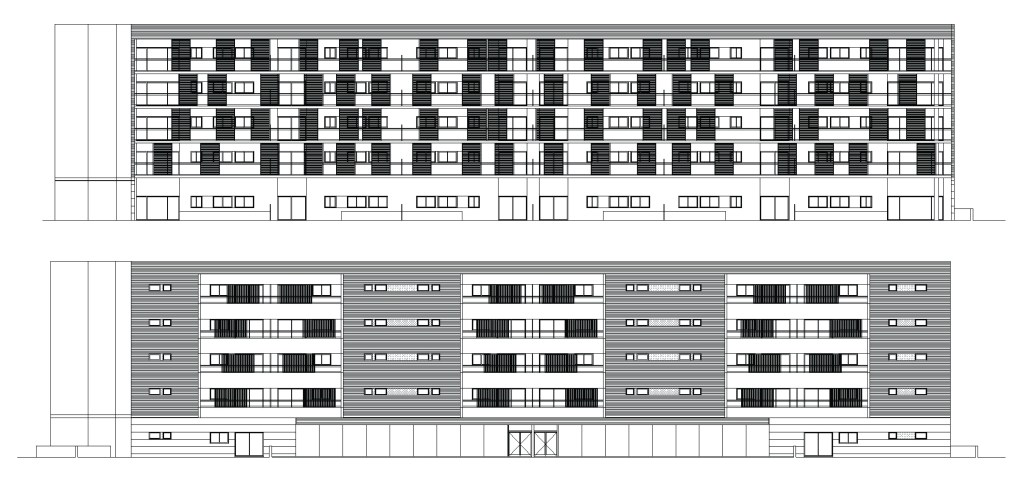
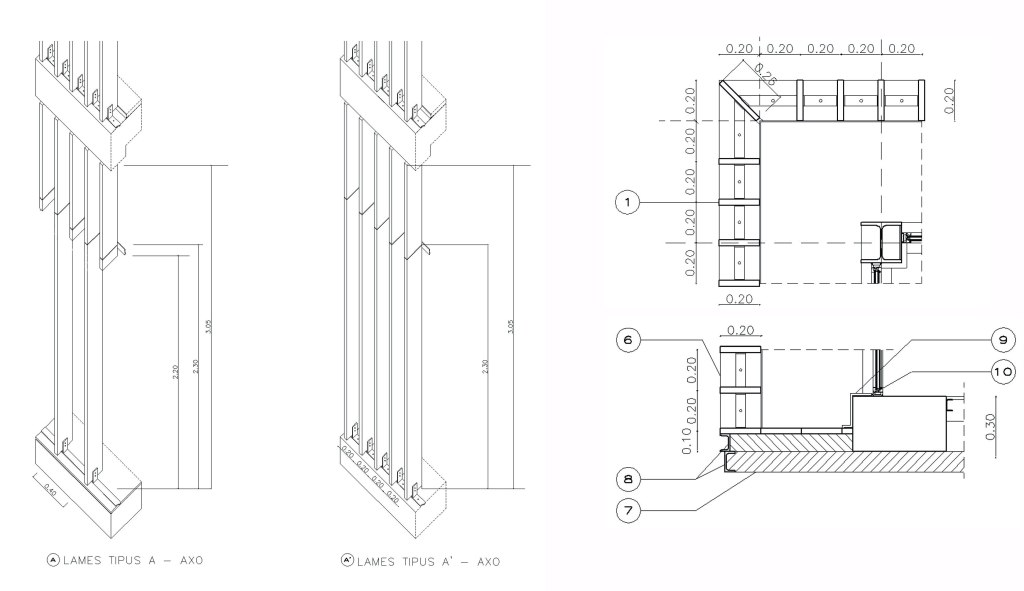
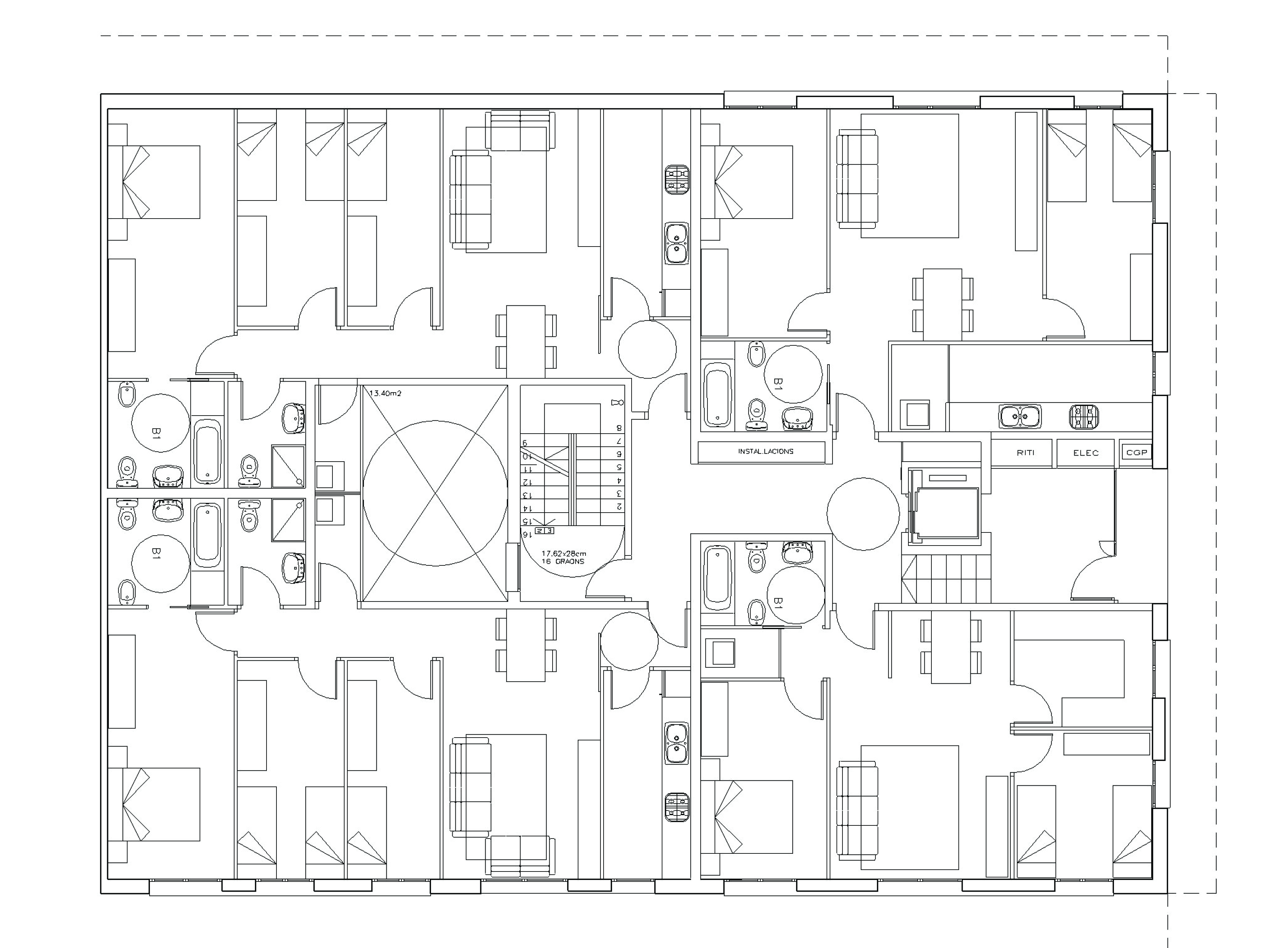
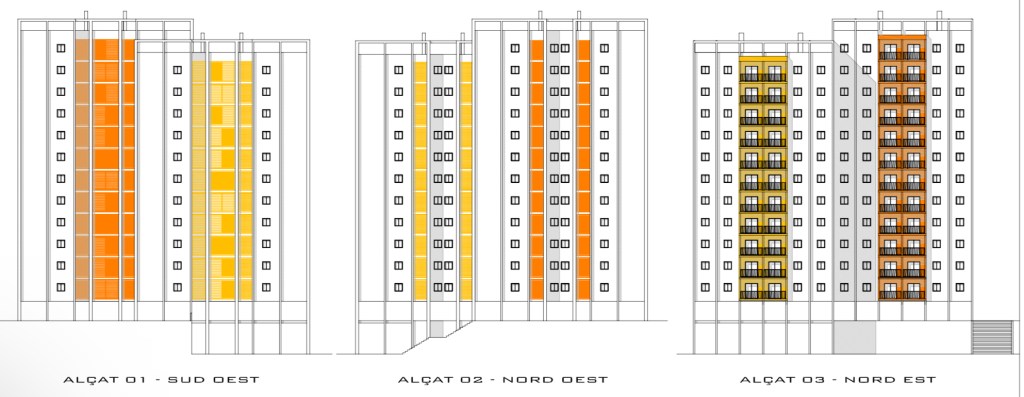
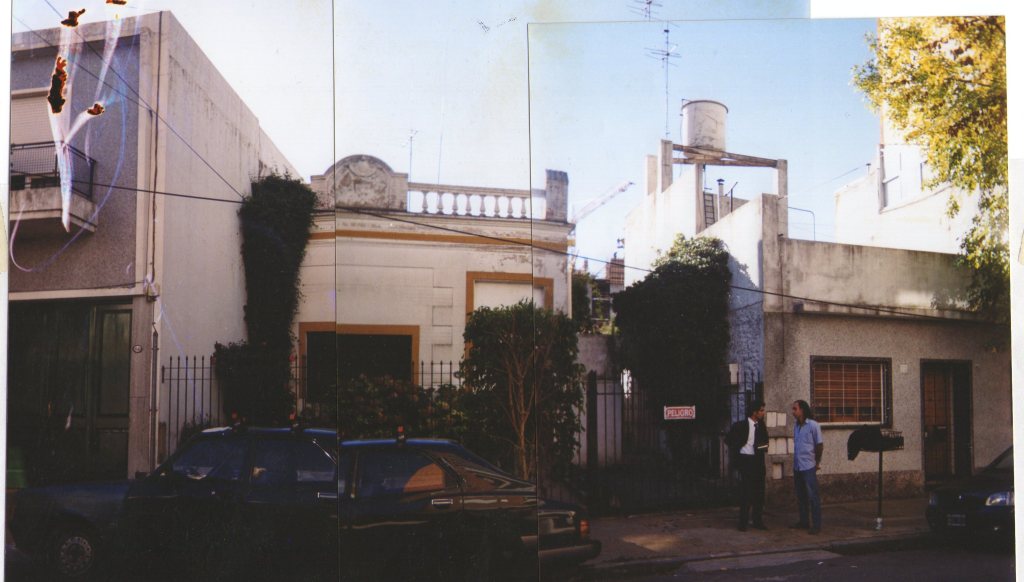
Edicifio de 50 viviendas – desarrollo final de las plantas, dibujo de las vistas, sobre propuesta gral ya hecha
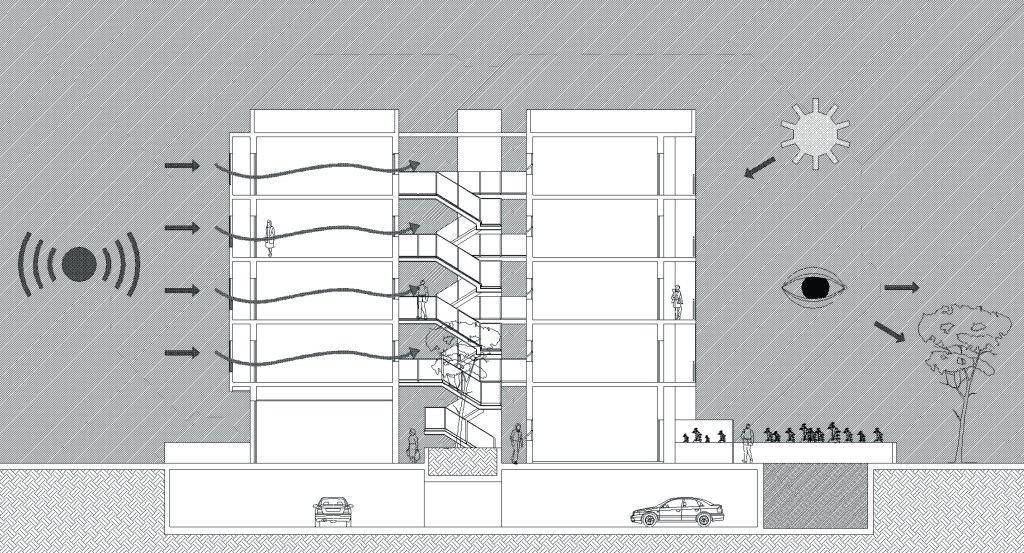
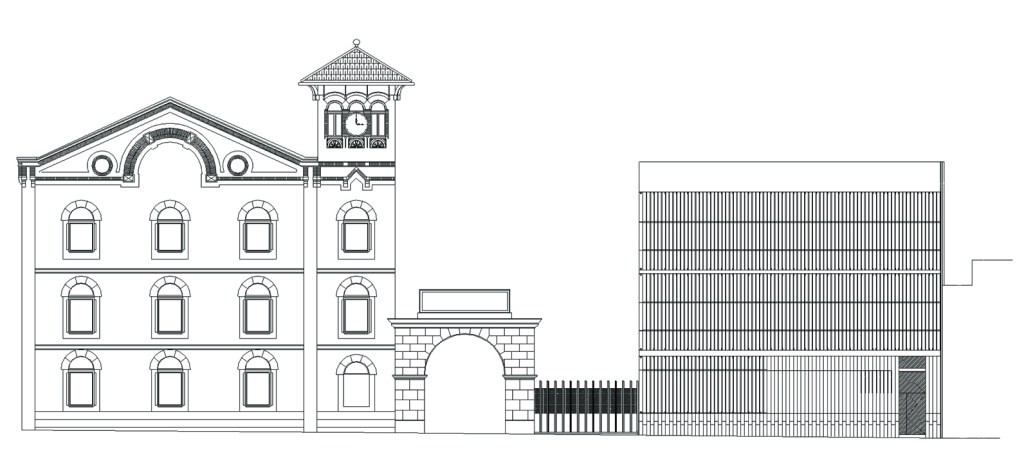
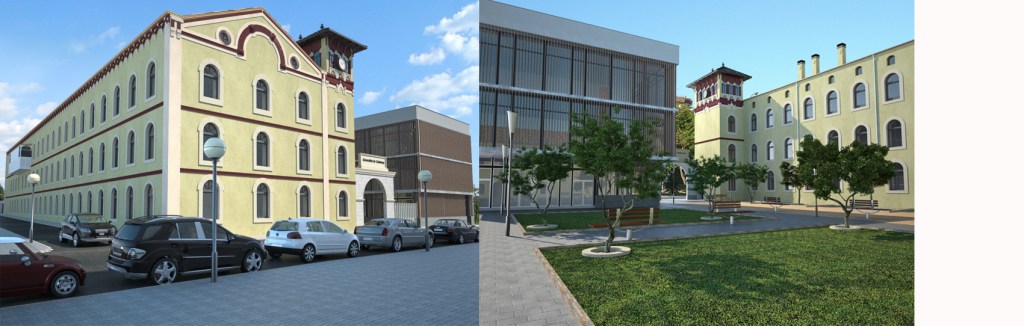
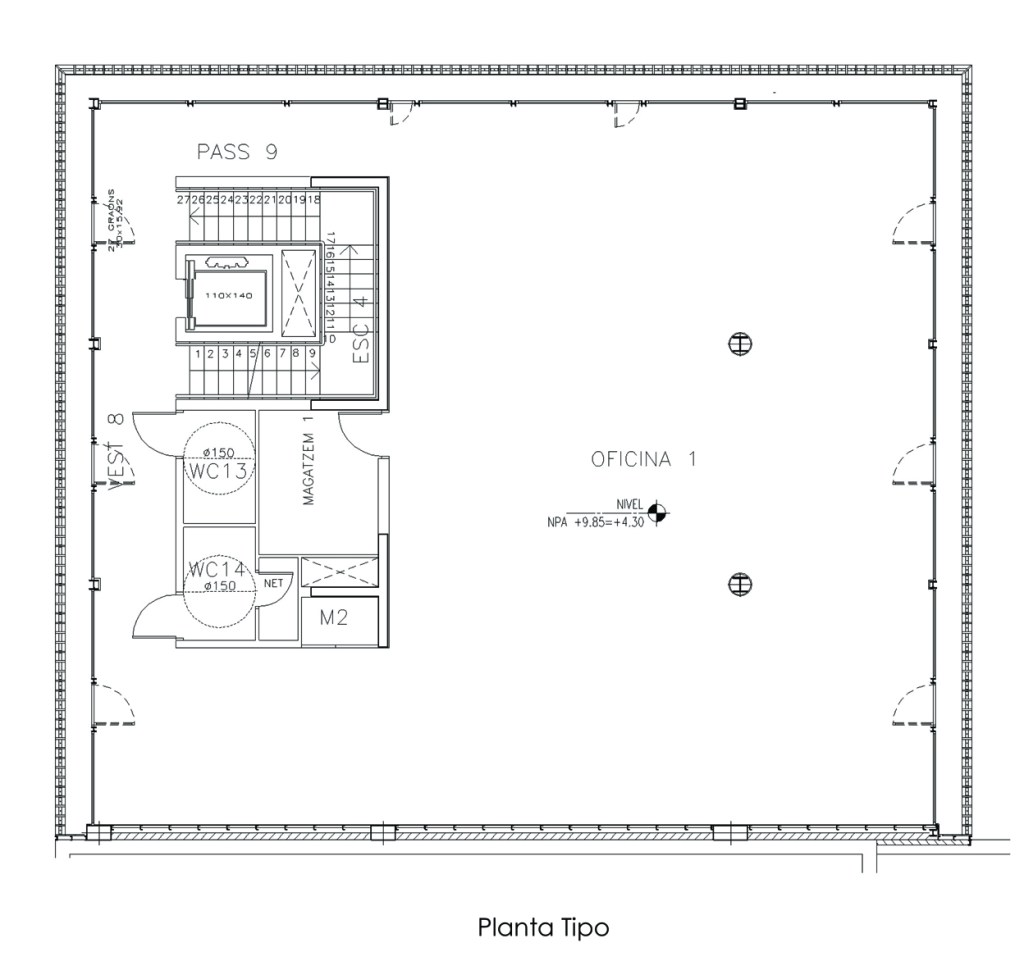
eoi tarragona – proyecto ojo
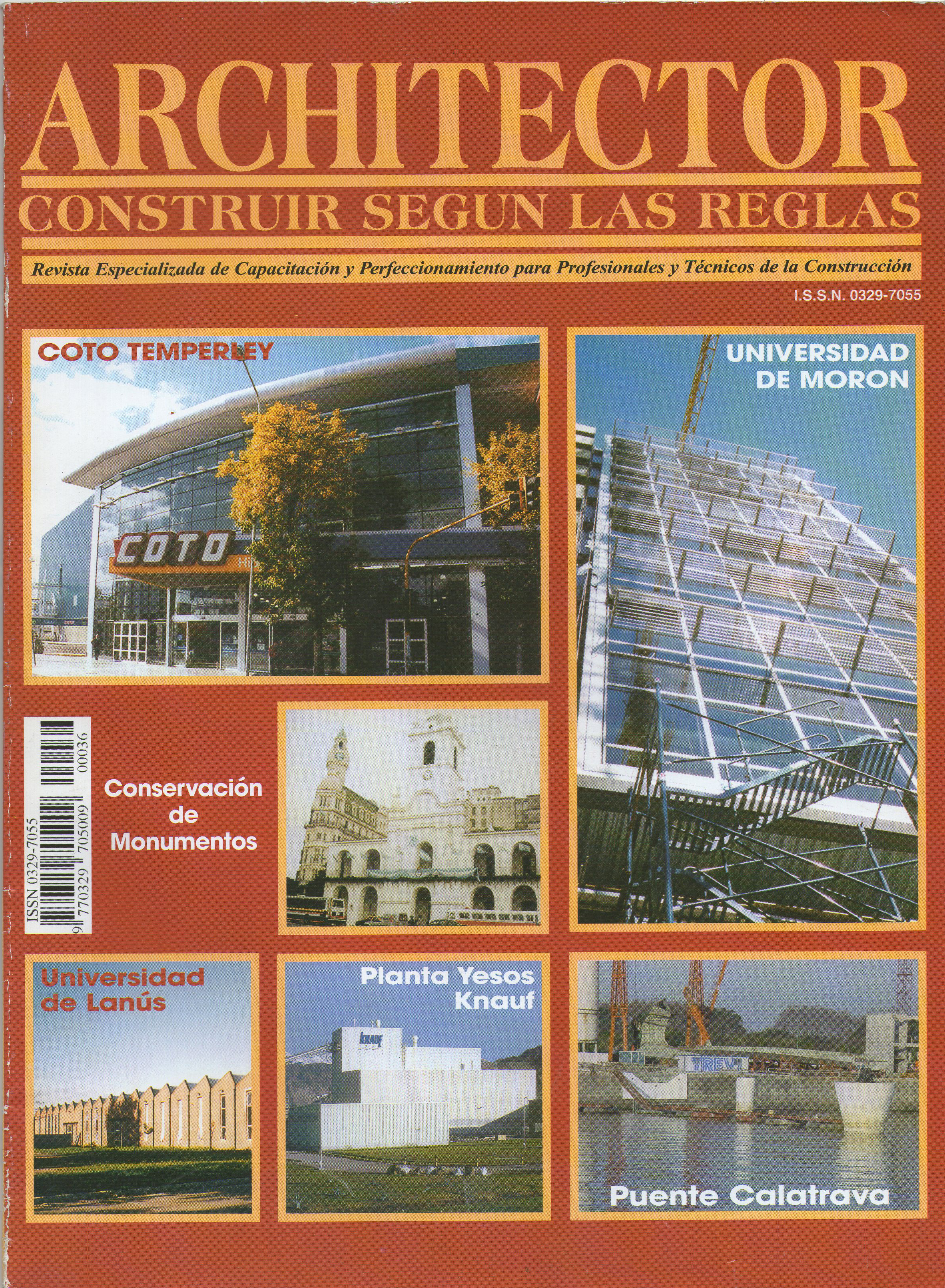
periodismo de arquitectura
click en los articulos para verlos
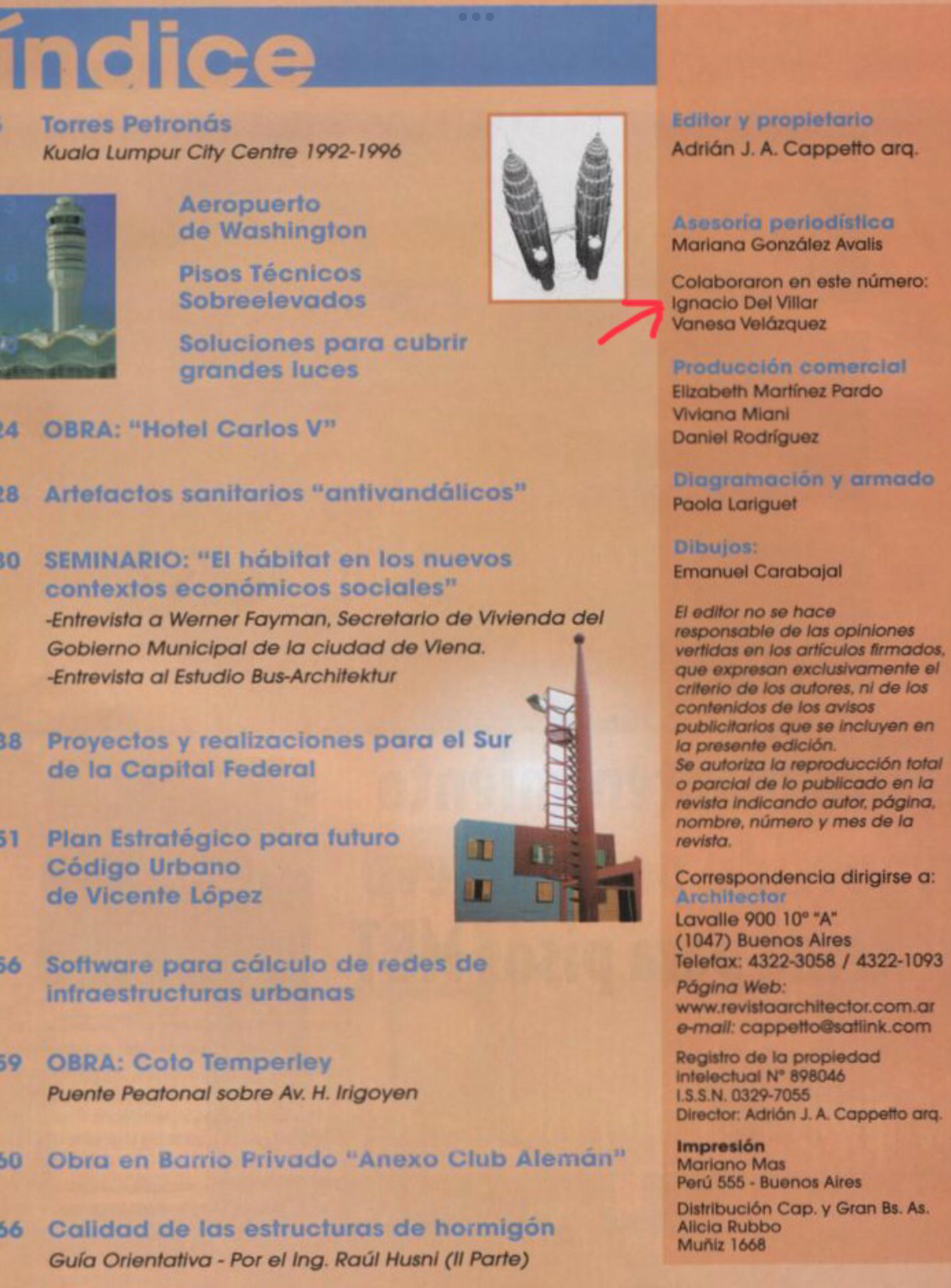
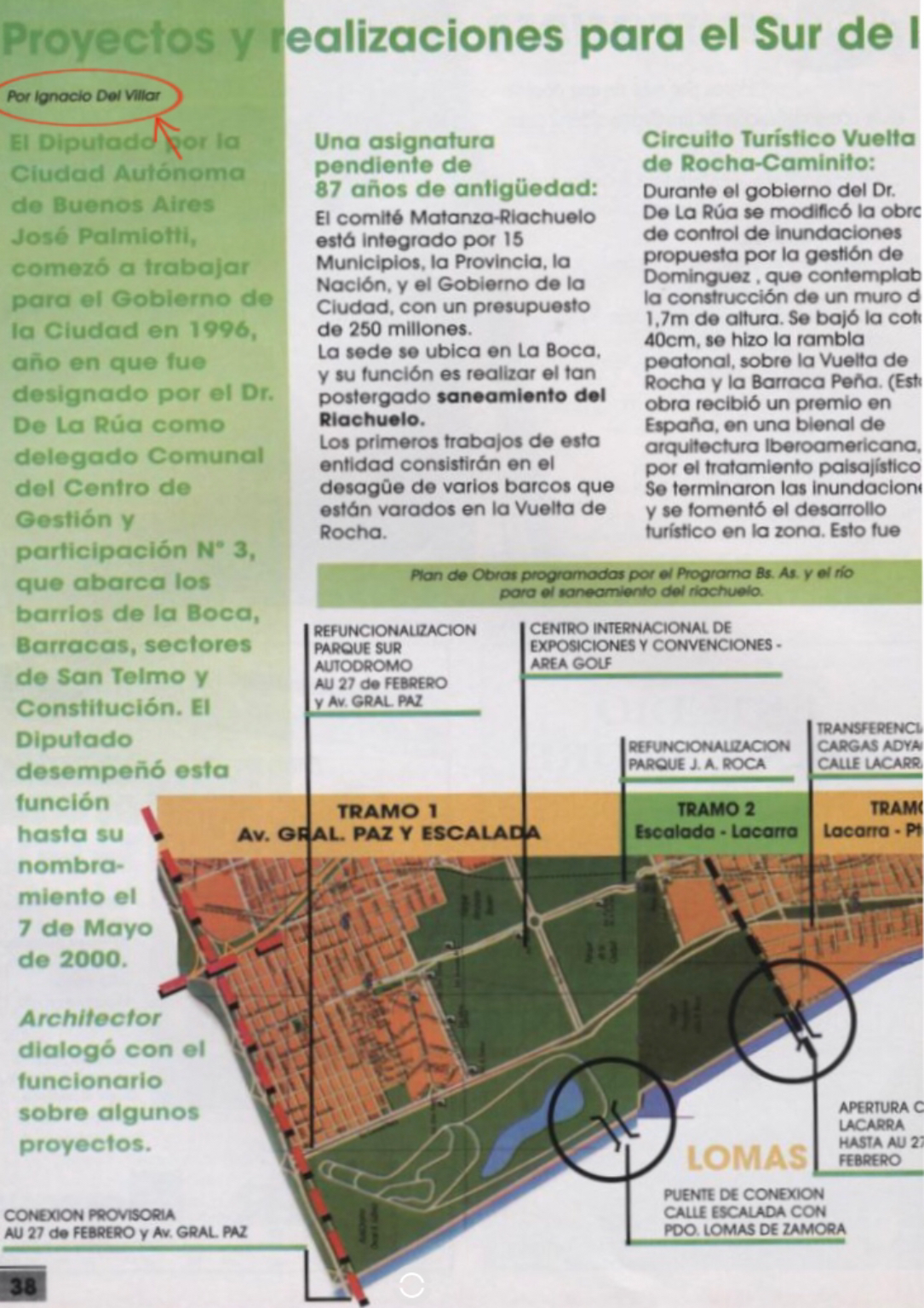
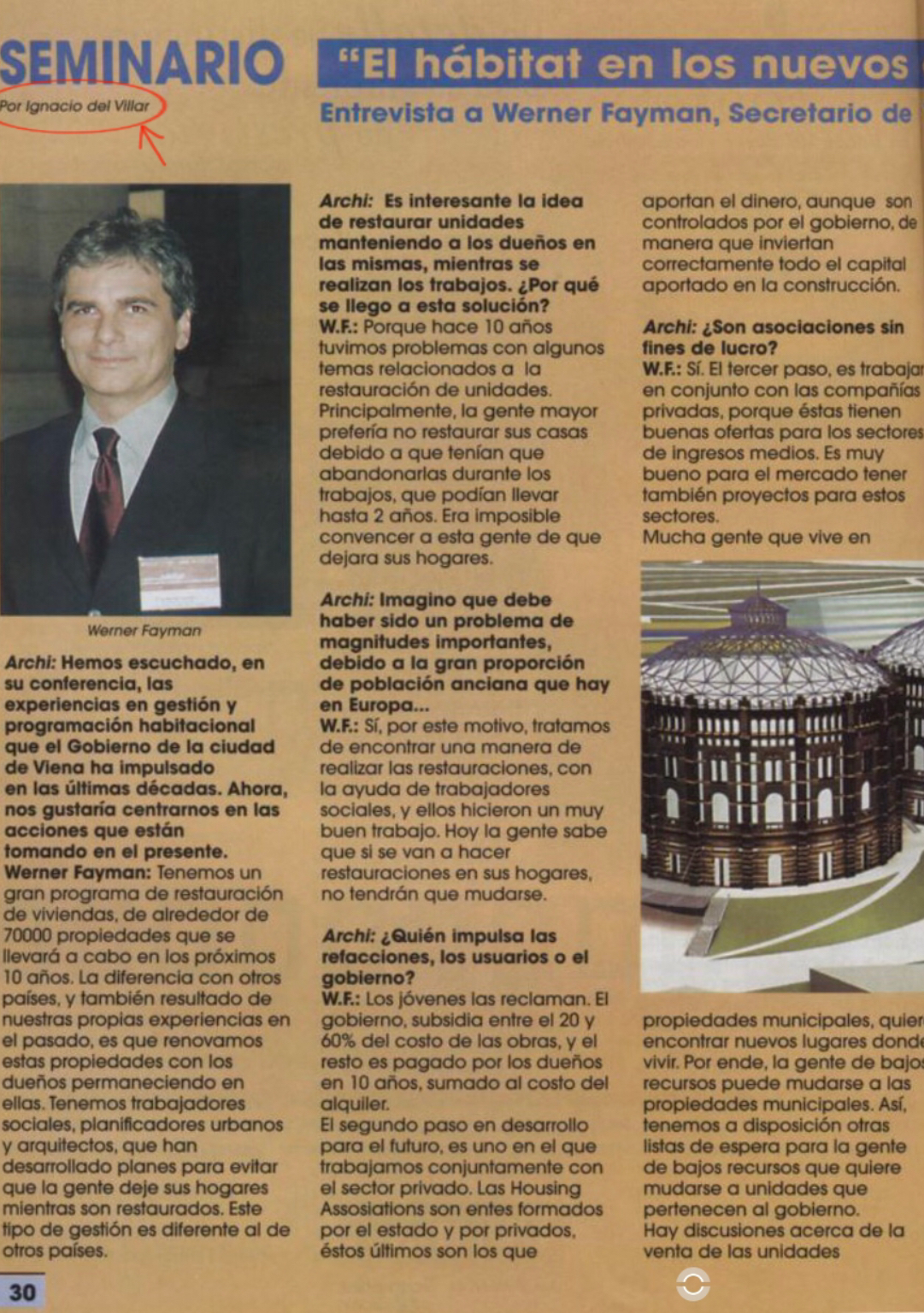
Resumen de la propuesta
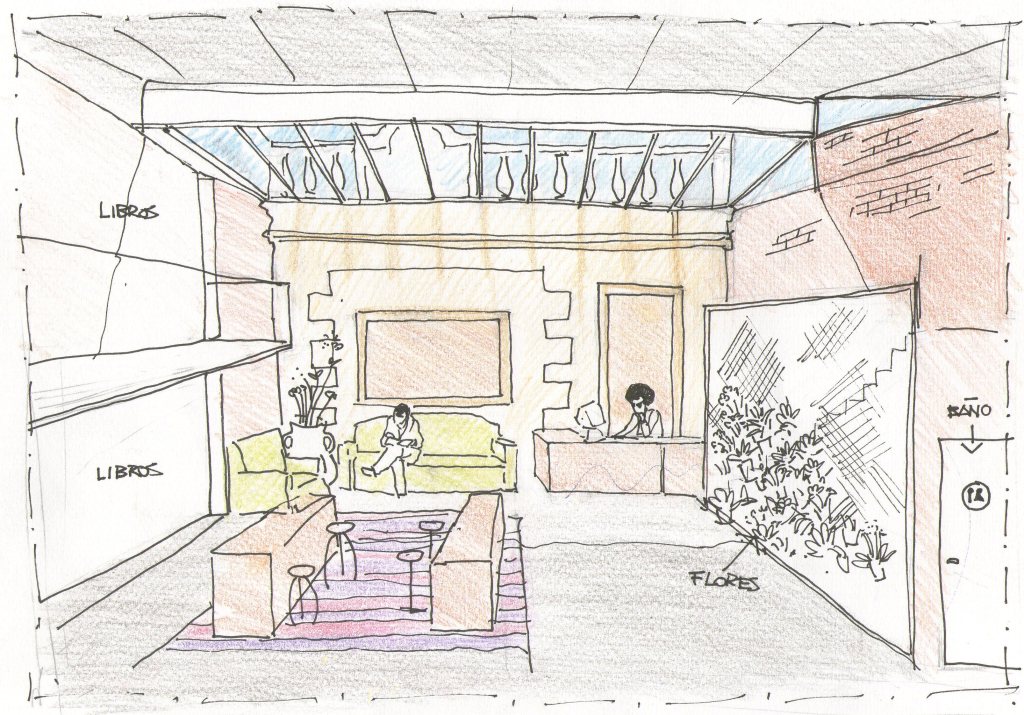
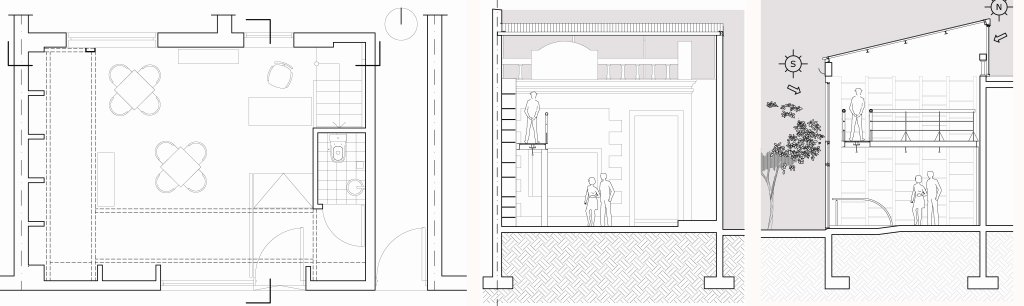
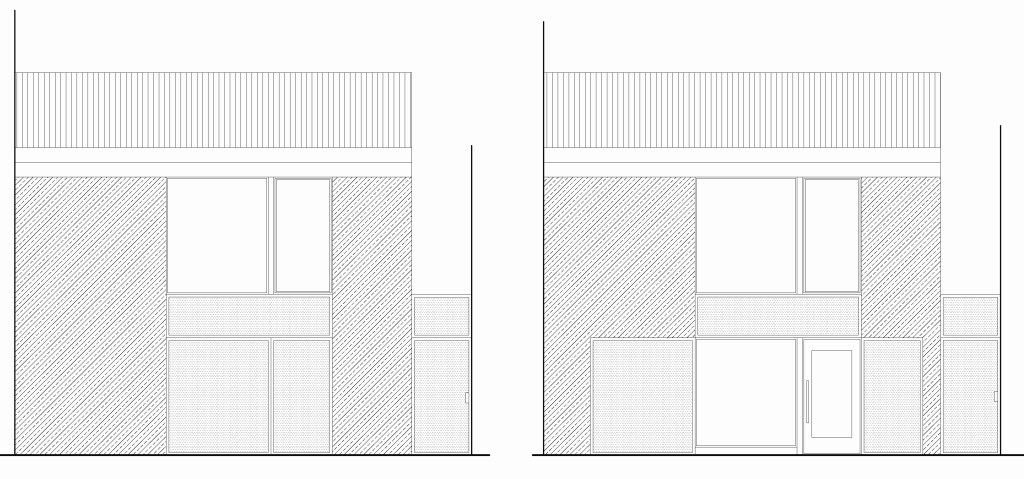
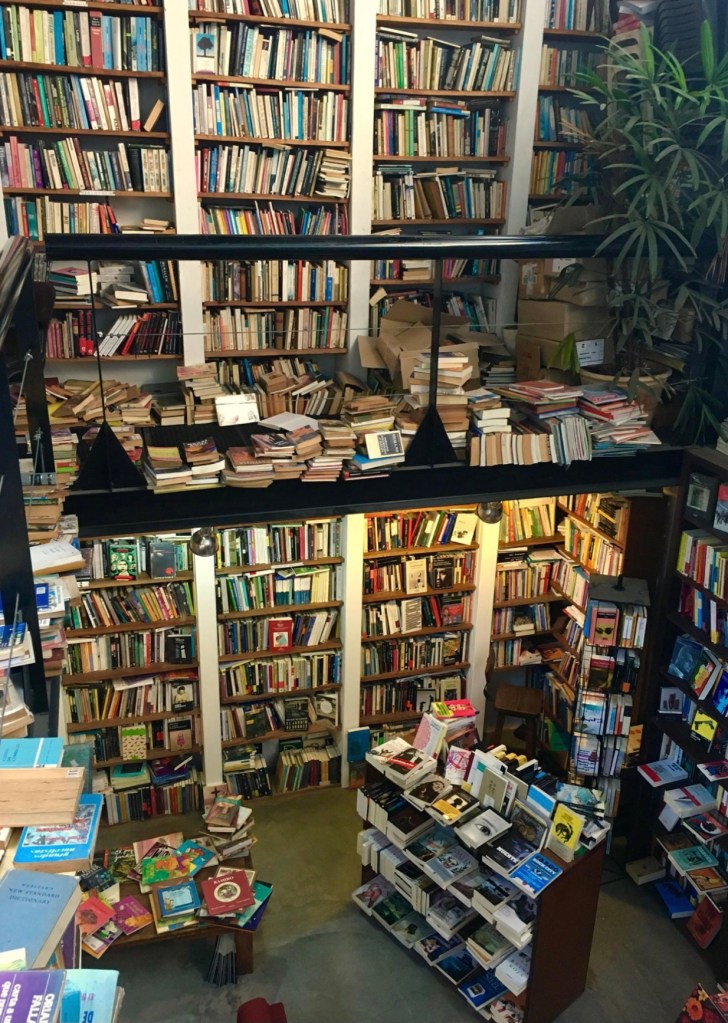
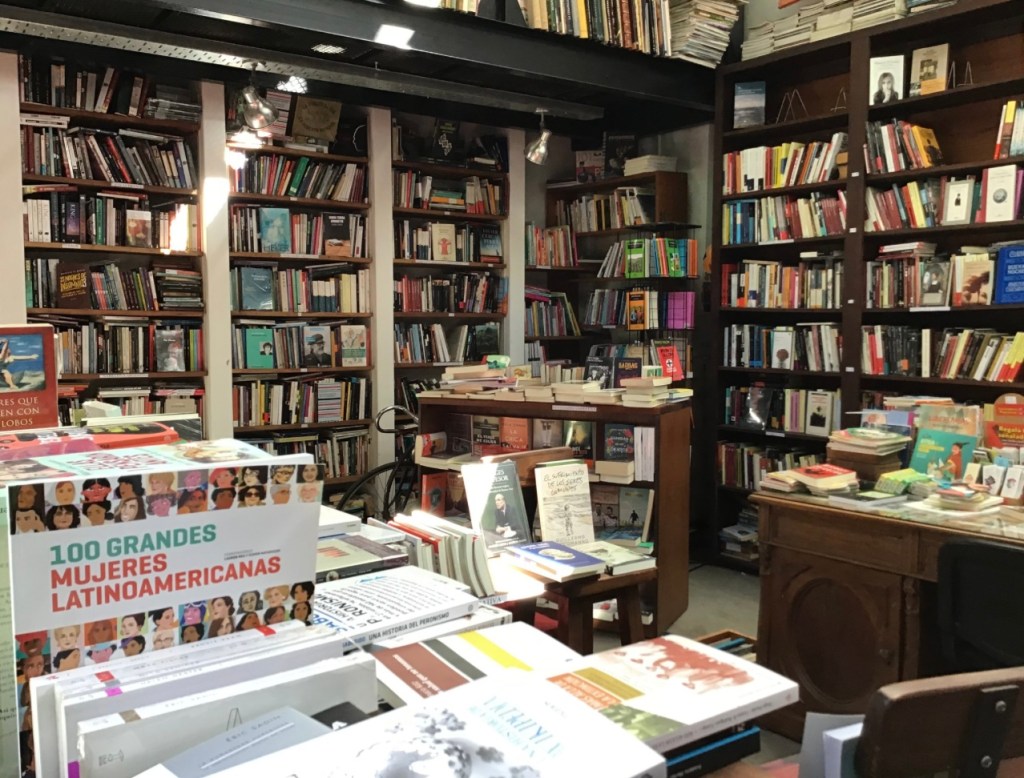
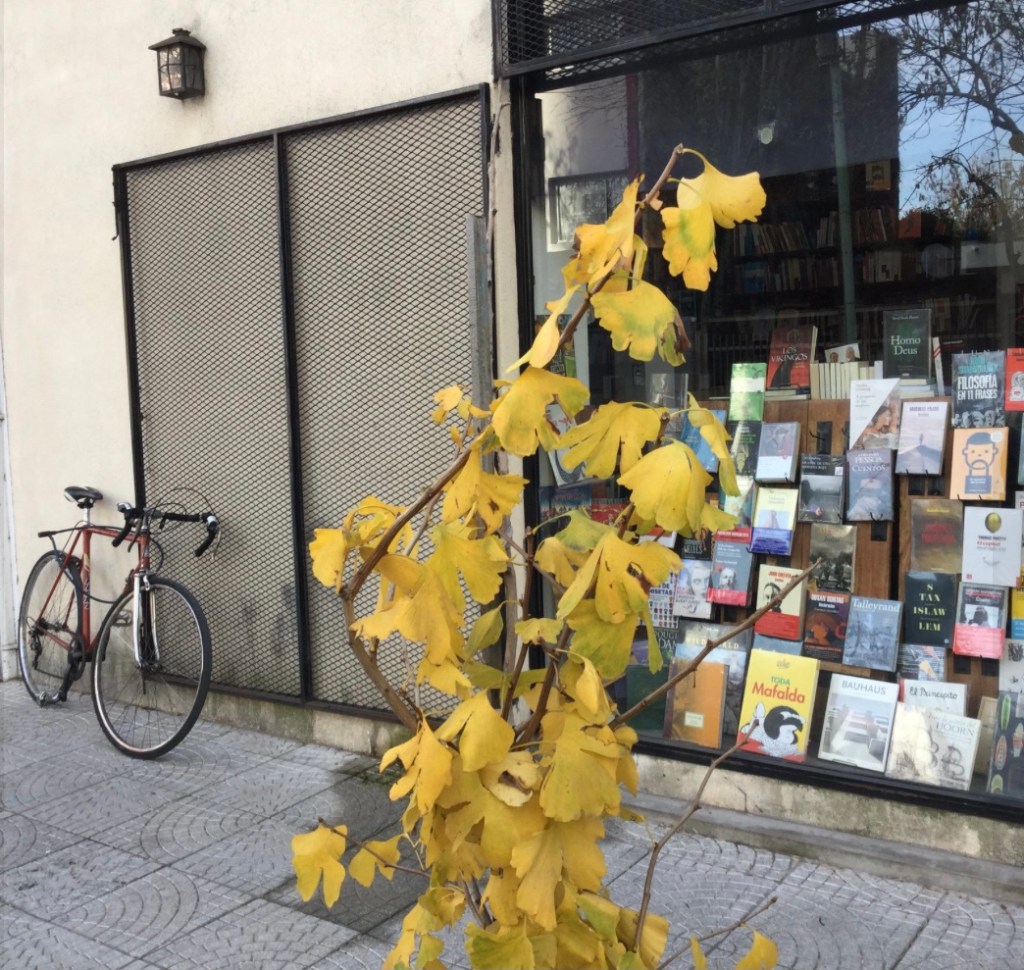
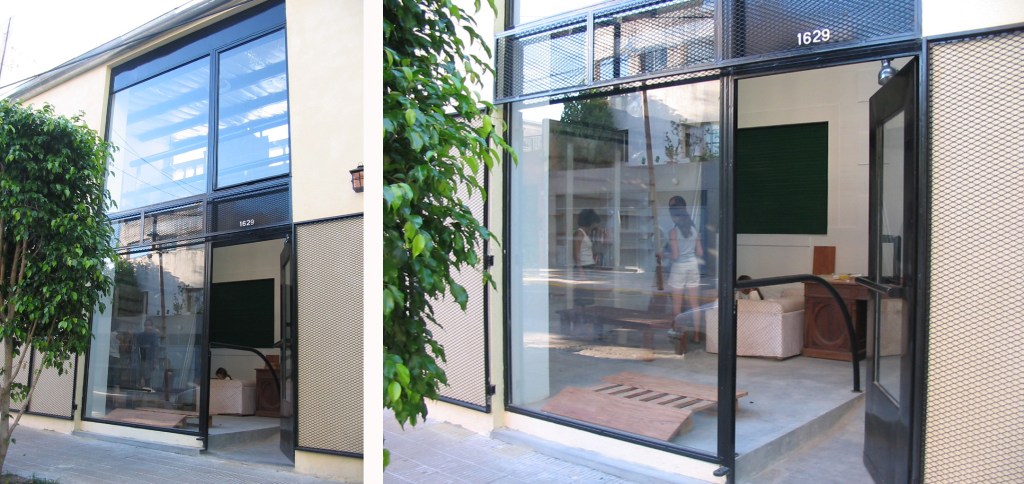
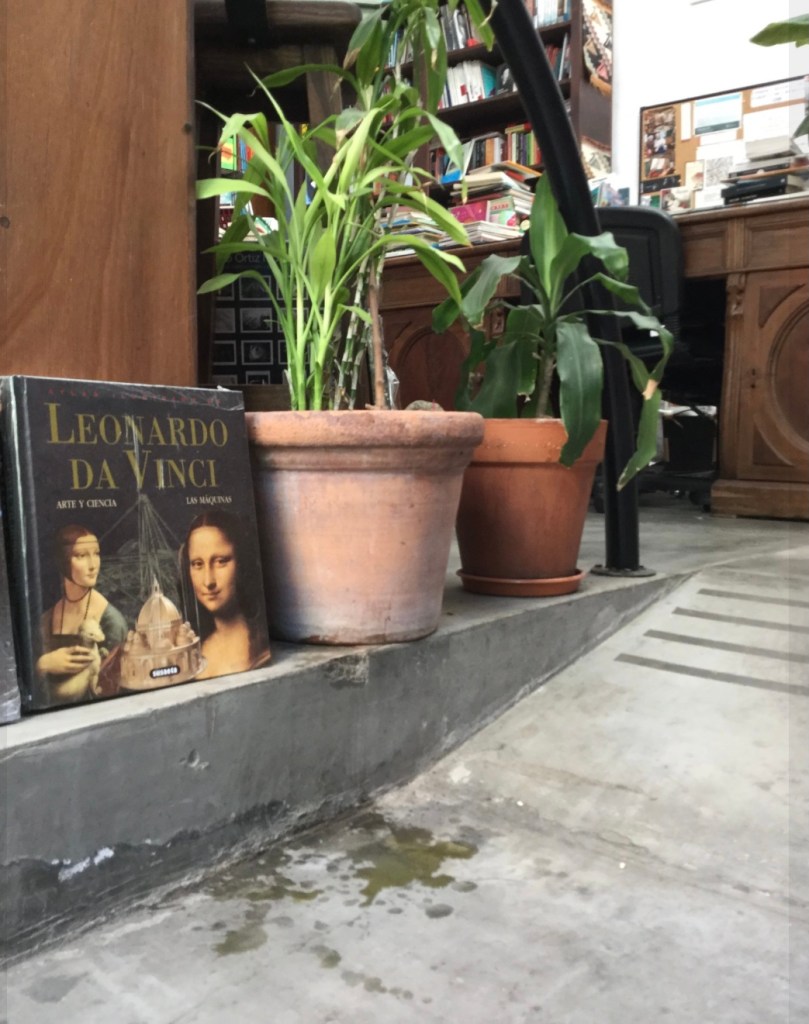
dtyutyutyutyurt

yutyutryurtyurtyutyrutryu
working with sound
I write songs influenced by classic rock, pop, jazz, funk, and classical music, and have composed music for poetry, theatre, choral arrangements, and contemporary dance. I sing and play piano and guitar, among other instruments. Click below for samples.
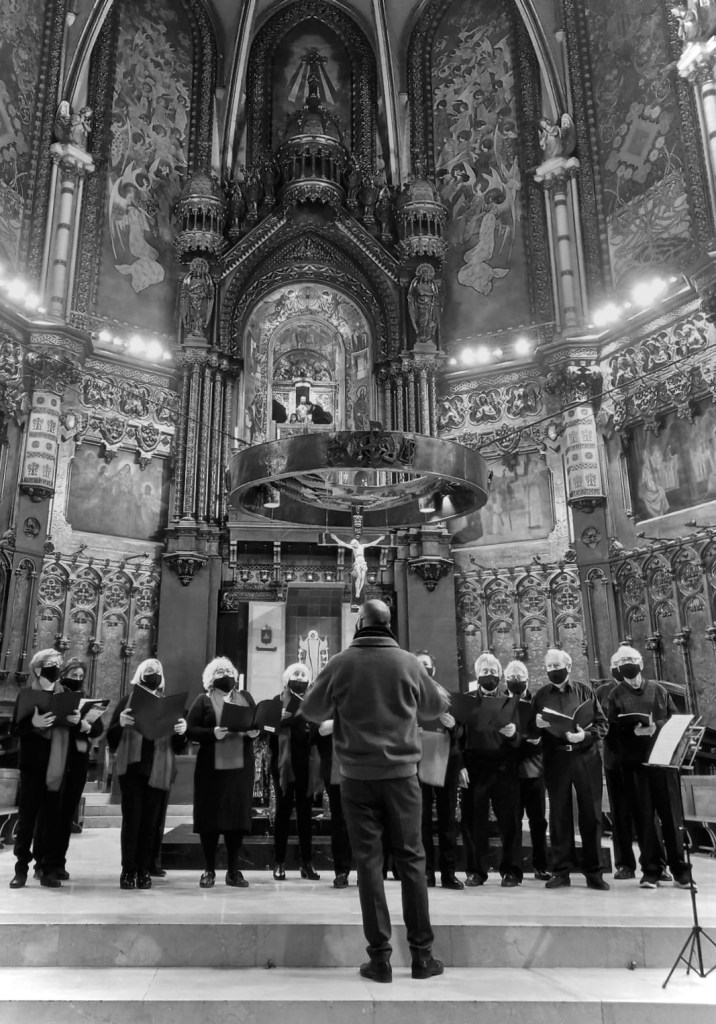
I wrote this three part arrangement of the Mocedades classic, to be sung by the choirs I direct.
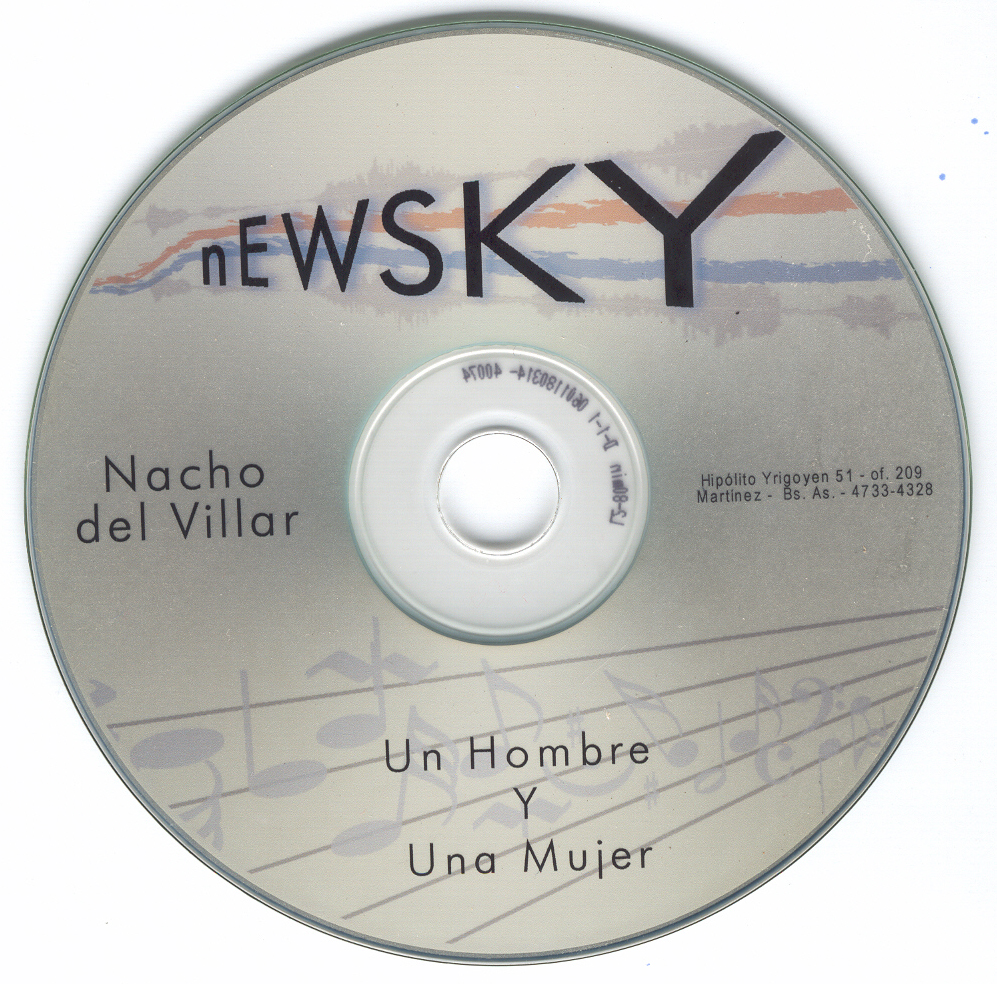
Original song composed and recorded at New Sky Studios in Buenos Aires, produced by Federico Stewart. I performed vocals, keyboards, and guitar, and produced the bass and drum tracks using virtual instruments.
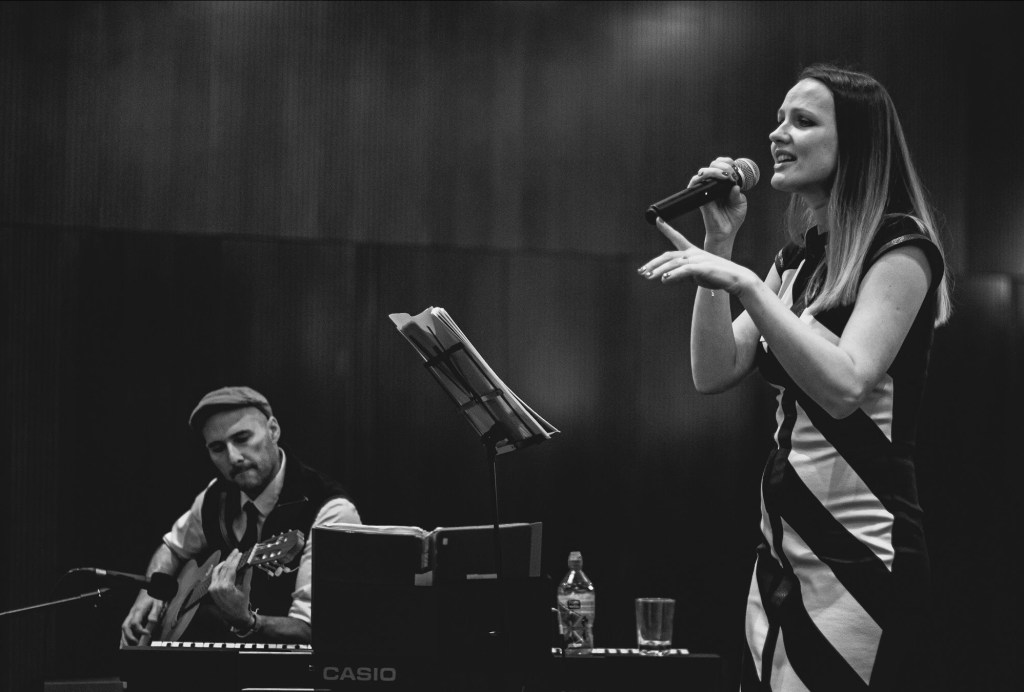
With Fanshui, I recorded this cover of a Stevie Wonder classic, performing electric guitar and programming the remaining instrumentation using different DAWs. Olga Zinkevich provided vocals and co-produced the recording.
for further examples click here
writing
I write essays and articles on cultural history and contemporary issues, often with humour and a subtle surrealist tone. My work has appeared in architectural magazines and college online publications. I have also written novels, song lyrics, and poetry. Click below to see samples.
Foreword
It is a well known fact that in the past LPs were listened to at home, in silence, and paying comparatively more attention to the music. Nowadays music is mostly listened to on the go, in small headphones, and the audio signal has to compete against noises like that of traffic, amog other street bangs and twangs.
The two LPs we’ll discuss here have a much wider dynamic range than today’s hits, since compression in the 70s wasn’t as in-your-face as it is today. Moreover, both albums present an incredibly low density of hooks, compared again to today’s popular music. As a result, both are to today’s ears incredibly open in the horizontal (time spent between hooks) and in the vertical (difference between the high and low volumes).
This alone might make them worth a shot.
click here to read the full text (2793 words)
Given his career up to that point, it is not surprising that American artist Andy Warhol would want to mix heroin addiction, gratuitous cursing and androgyny with the camp (1) style of the 60s New York high society.
It is also not strange that an artist who started off illustrating fashion magazines, moved on to painting, experimented with film making, edited a magazine, wrote an odd autobiography which consisted of just pieces of gossip, would also be willing to produce a rock and roll band.
The strange thing is that he did it so well. In the mid sixties, Andy stepped into the world of music by producing the Velvet Underground, a Band that made it into the Rock and Roll Hall of fame three decades later.
click here to read the full text (379 words)
First course
The McDonald’s empire may be as powerful as ever, but by the time John Lee Hankock’s «The Founder» premiered in 2016, their kitchen had already been caught fuming some rank stenches.
On the one hand, they have long been considered one of the flagships of the globalinvation. That is, the taking over of the world by Corporations that crush local talent with astute, well-oiled marketing campaigns and considerable lobbying powers.
And the poor quality of their food, especially in the US, gave birth to an overtly anti-Mc documentary called Super Size Me in 2004.
Not that any of these fleas have ever tickled the beefy McElephant: Golden arches continue to adorn thousands of High streets and back alleys around the planet.
I remember being a child in Argentina in the mid 80s, when McDonald’s first hit our virgin shores. Their arrival was a true sensation. Some say, a form of cultural invasion. But mostly we were just catching up with the times.
I got the chance to go to the opening ceremony of a few of their restaurants. They gave every attendee a stack of McMoney you could exchange for food, and a bag full of brochures and booklets describing the McDonald’s story. The place even smelled great.
Years later I found out this scent didn’t come from the kitchen; it was sprayed by the employees.
A metal plaque commemorating Ray Kroc, founder of the McDonald’s Corporation, explained how he had progressed from milk-shake machine salesman to fast food emperor in just a few years.
So, along with the burgers came a set of values. McDonald’s meant family, community, a piece of the American Dream, quality food, low price, and a similar set of jingles it was impossible to be against.
Argentines were less sophisticated in the mid 80s, so we ate it all up. The burgers, the brochures and the b-s. McDonald’s made all the existing food chains look like pre-civilized fossils.
All things considered, the McTreat was indeed a tasty one. At least it was in Argentina, where the quality of raw materials is very good. It was even worth the strange storm that started in your stomach as it struggled to digest a McCombo.
But let’s explore McDonald’s history.
click here to read the full text (2488 words)
As Paul Valéry explains in Eupalinos or The Architect, there are mute buildings, buildings that speak, and buildings that sing. The text is deep and complex, but this idea is very clear, so we will let it serve as an introduction.
For those of us who have had the fortune to live in Barcelona, it is evident that here abound urban accidents that play all kinds of melodies. From endearing lullabies with a grandmotherly tone, to intricate rock operas. It is also obvious that in this two-millenia-old city there is a prima donna as commanding as the first violin of a symphony orchestra. That voice is the Sagrada Familia.
Naturally, the curious among us feel the need to sharpen our hearing every time we pass by a building that sings. The author of these lines, for instance, lived across from the Sagrada Familia for several years, and would cross the Nativity façade—the only one built by Antoni Gaudí—on the way to the metro station every day. Each time I made this journey, I felt a bit like my friend Nico, who, upon seeing that façade for the first time, illuminated by powerful spotlights that exaggerated its forms in the night, could only exclaim:
—“Thank you!”
However, one winter afternoon, as I walked past the Glory Façade, rather than singing the Sagrada Familia told me a story, which went as follows.
click here to keep reading (2400 words)
for further texts click here
learning
I design learning experiences for students of all ages and cultural backgrounds, integrating visual arts, music, and language learning.

Creation and teaching of courses designed specifically for music production students, combining language learning, contemporary cultural topics, and music history. This work included curriculum design, material development, and classroom teaching at college level.
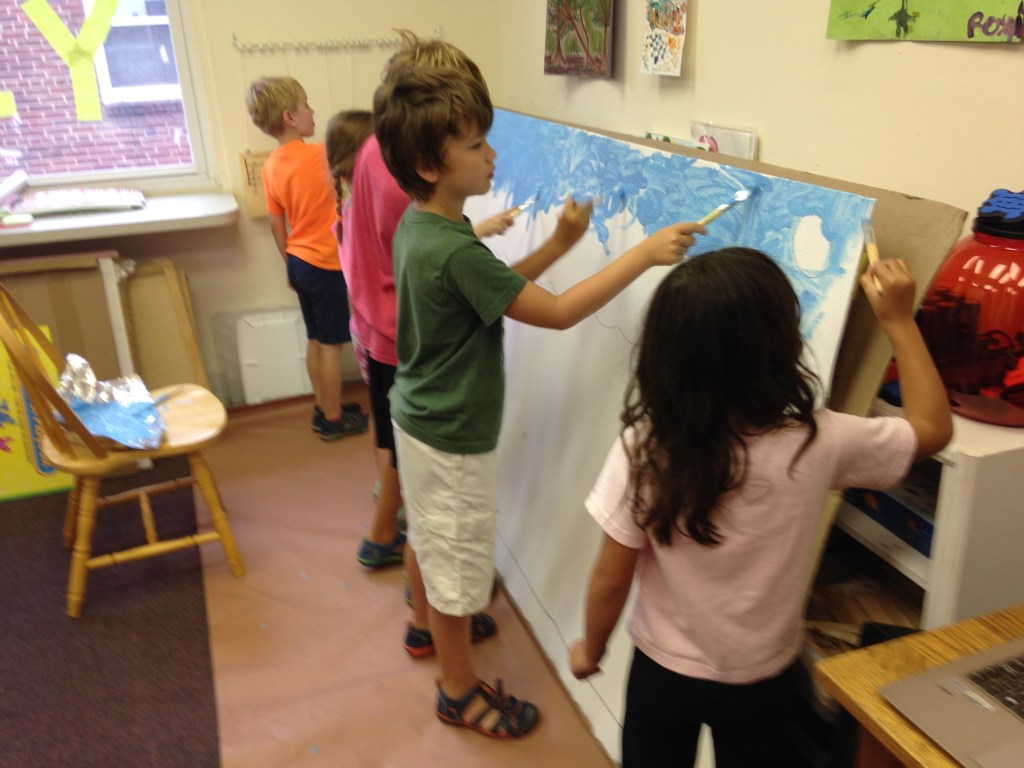
Immersive workshops for children and teenagers held mainly during summer breaks. Students spend full days developing projects in painting, model building, stop-motion animation, and music, combined with visits to cultural and natural sites. Learning emphasizes autonomy, with my role focused on facilitation and creative guidance. All activities are conducted in a second language (Spanish or English).

Conversation-based language sessions using games, role-play, debates, and creative prompts. With children, learning happens mostly through play; with adults, discussions often focus on culture and current affairs.
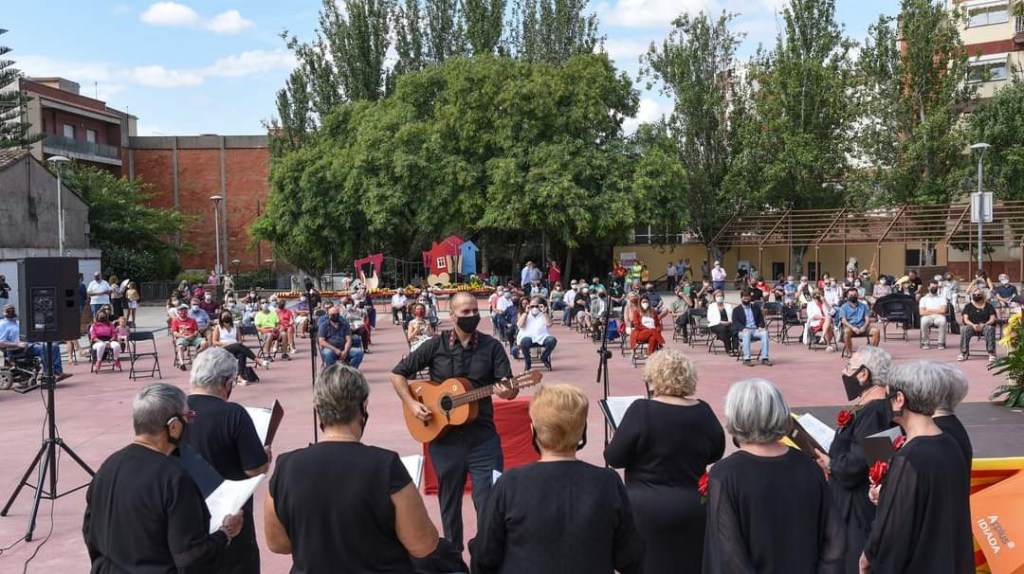
I direct senior amateur choirs, writing vocal arrangements, mentoring participants, and teaching basic singing technique and ear training. The repertoire explores contemporary music alongside classical and traditional Catalan works. I also create tailor-made digital accompaniments and direct live performances.
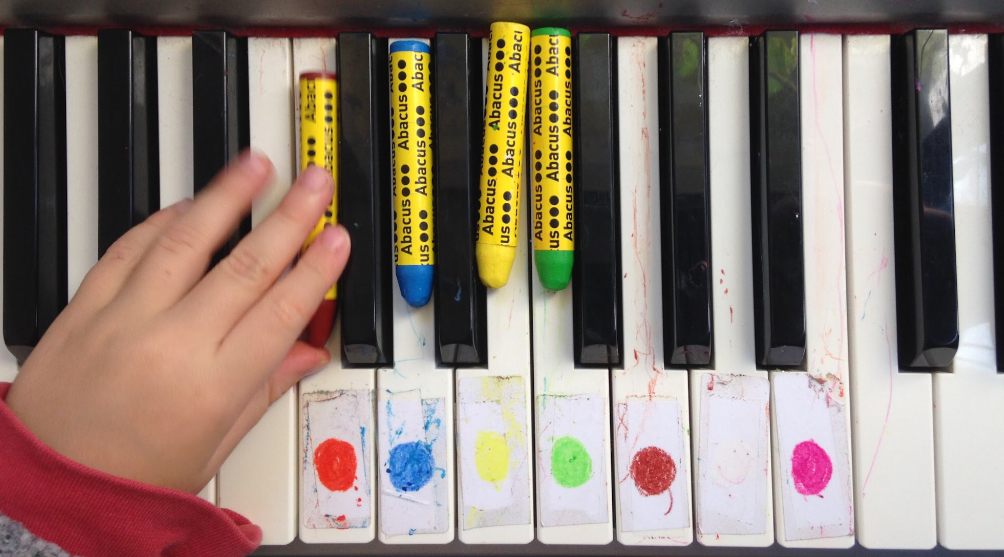
Practical musical instruments teaching approach drawing from formal training, featuring original materials, an alternative colour-based notation system, and the integration of storytelling and visual arts to encourage creative self-expression.
for further explanations and examples click here
© 2026 todos los derechos reservados. Diseñado con WordPress.
 contact info